Electrify Your Projects with Our Expertise


Electrify Your Projects with Our Expertise

Problem-solving outlet problems can be linked to loose connections, broken circuits, or damaged components. Outlets may become worn, resulting in issues such as non-functioning outlets, humming, or overheating, which can disrupt your daily routine and raise safety concerns. This guide will help you identify and address common outlet issues.
TurnKey Electricals offers expert electrical services tailored to your needs. Don’t let small electrical problems turn into bigger ones. Call us today for a free consultation. Our professionals will handle your electrical work safely and efficiently. Your satisfaction matters to us, so reach out now to get started!
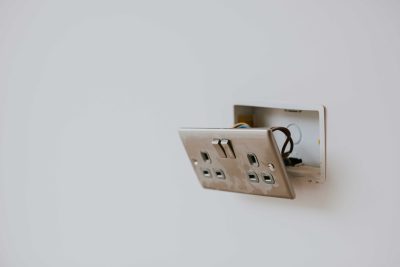
When an outlet isn’t working, start by testing the device in another outlet to rule out equipment issues. Check nearby switches, as some outlets are controlled by them, and inspect for damage. If other outlets work but one doesn’t, the problem may be with the outlet or circuit, requiring breaker inspection.
First, insert the unit in a working socket to verify that there is no problem. When a lamp does not turn on in one outlet and is working in another outlet, then the former may be defective. Be sure to test it on something different, such as a phone charger.
Then inspect the cord and plug of the device such as fraying or bent fraying, which may interrupt power. Moreover, be sure to switch the device on because an off switch may be difficult to understand.
Other outlets can be operated by adjacent wall switches. Attempt to switch the switches off and back on again, and this could correct loose connections. Test the switch with regard to damage, loose screw, or burnt marks. When the outlet is hard-wired to a dimmer switch, make sure that it works; dimmers can reduce power.
See if another outlet in the room works. The initial outlet can be malfunctioning in case it works. Look in nearby outlets; maybe there is a bigger electrical problem, such as a tripped breaker or faulty wiring. In case more than one outlet is not going on, check the breaker panel and reset any broken breakers. Check other outlets in the house also. When one person works and the other one does nothing, there can be a problem with a certain circuit.

Be systematic and be safe when it comes to issues with outlets. It is always recommended to switch off the power and unplug appliances to prevent shocks. Label the outlets that are dead and leave them taped to be reminded of which are impacted.
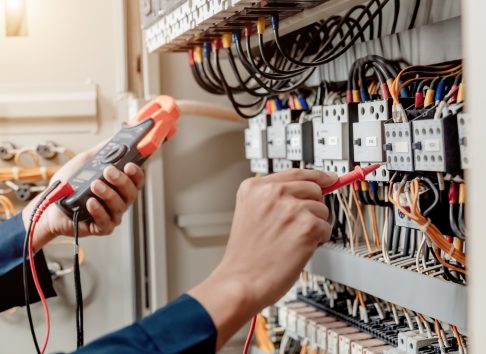
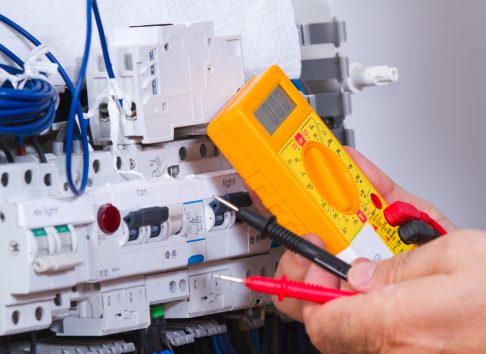
Troubleshoot the electrical system with a multimeter – test for voltage and continuity, and check connections for faults or looseness.
Begin your search for GFCI outlets, typically situated in a kitchen, bathroom, or garage. Hit the reset button hard. If it still doesn’t work, try it with a lamp or other device.
Check the outlet for moisture or visible damage, which can cause tripping. Replace damaged outlets immediately. If the GFCI trips constantly, there might be a wiring issue or a bad device downstream.
Go to the breaker panel and look for breakers in the “off” or tripped position. A tripped breaker is usually positioned between the on and off settings. Turn it all the way to ‘off’ and then turn it back to ‘on’.
Label breakers for easy troubleshooting later. If a breaker immediately trips again, it may be a shortcut or an overloaded circuit, and professional help is needed.
Check fuses for broken filaments or discoloration, indicating they’ve blown. Swap these out for fuses with the proper amperage – never mix and match.
Make sure fuses are firmly seated, and do not overload wiring connected to the fuse box.
Try both outlet holes. If it’s dead, look for a wall switch operating it. Test connections for loose or improper configurations.
If the problem continues, replace the outlet.
In troubleshooting a dead outlet, first look at the damage. The most important thing is safety, hence search for scorch marks, melted plastic, or discoloration since they are the signs of overheating, and you have to change the outlet. Simple problems, such as a loose cover plate, can be resolved by screwing it, but in case of any indication of burning, a replacement of the cover plate is necessary to prevent fire.
The next step is to shut off the power at the circuit breaker and lift the cover plate, and see whether it has any loose connections. Make sure that the wires are properly fixed, and the loose ones may result in flickering lights or heating.
In case of buzzing or popping noise, switch off the power and call a licensed electrician in case of severe problems, including wiring faults.
The problem of outlets can ruin your day and often points to deeper electrical issues. We help identify the root cause, whether it’s a tripped breaker, loose connection, or faulty wiring, to keep your home or business safe and operational.
Small issues shouldn’t turn into big headaches. Our experienced team handles everything from residential upgrades to commercial installations and energy-saving projects. Call us today to schedule a free consultation and discover how TurnKey Electricals can keep your space running smoothly!


 TurnKey Electricals