Electrify Your Projects with Our Expertise


Electrify Your Projects with Our Expertise

As technology evolves, myths about electrical safety persist, affecting both homes and businesses. From mistaking power strips for surge protectors to underestimating the risks of low voltage, these misconceptions can lead to dangerous situations.
Let’s explore these common electrical myths and clarify any misconceptions, helping you stay better informed with practical safety tips. At TurnKey Electricals, we are dedicated to guiding you through understanding the facts about electrical equipment and dispelling dangerous myths.
Stay safe and informed—contact us today for expert advice and electrical safety solutions that protect your home or business.
Though both devices allow for multiple outlets, they serve different purposes and provide distinct functionalities. Many homeowners and business owners confuse the two, assuming they perform the same task, but this is far from the truth.
Power strips are simple devices that allow you to plug in multiple cords into one outlet. While they are useful for adding more plugs to a single socket, they don’t offer protection against power surges.
Overloading a power strip can result in electric shocks, and in extreme cases, it can even start a fire. It’s crucial to use power strips carefully, especially when plugging in high-wattage devices.
 Surge protectors, on the other hand, offer both additional outlets and protection from electrical surges. Surges can occur for various reasons, such as lightning strikes or power outages, and can cause significant damage to your electronic devices, particularly more expensive ones like computers and televisions.
Not all power strips come with surge protection, so it’s important to read the label carefully. Always ensure that the surge protector has a joule rating, as this indicates the level of protection it provides.
The key difference between surge protectors and power strips is the level of protection they offer. Power strips simply increase the number of available outlets, whereas surge protectors prevent voltage spikes from damaging your electronics. This distinction is vital when choosing between the two for your home or business.
For those who own high-value electronic devices, such as computers, entertainment systems, or smart appliances, surge protectors are important. They prevent damage caused by electrical surges, which can fry circuits or destroy internal components. Surge protectors are a simple but smart investment, offering peace of mind when it comes to safeguarding your valuable devices.
It is a common belief that rubber gloves can completely protect you from electrical hazards. This misconception stems from the fact that rubber is an insulator, which theoretically blocks electricity. However, the truth is a bit more nuanced, and assuming that all rubber gloves will protect you from electric shock can be dangerous.
Many people mistakenly believe that low-voltage systems are completely safe. However, this is a misconception. While low-voltage systems may pose less risk than high-voltage systems, they are not without danger.
Even at low voltages, electrical systems can still cause injury. For instance, low voltage can lead to burns or electric shocks if handled improperly. The assumption that low voltage equates to no risk is a dangerous mindset that can lead to accidents. Always exercise caution when dealing with any electrical system, regardless of voltage.
 Low-voltage systems may not pack the same punch as their high-voltage counterparts, but they still have the potential to cause harm. Electric shock, burns, and even equipment damage can occur if the system is poorly maintained or mishandled.
Moreover, improper installation or inadequate insulation can lead to unexpected and dangerous situations. This is why it’s important to handle low-voltage systems with the same level of care and precaution as high-voltage systems.
When dealing with any type of electrical system, it’s important to follow proper safety standards. This includes keeping a safe distance from electrical sources, using the correct tools, and wearing the appropriate protective gear.
Low voltage doesn’t eliminate the need for these precautions, so it’s important to always prioritize safety.
One of the most dangerous misconceptions is the belief that you can safely fix electrical issues without shutting off the power. This myth can lead to severe injuries, or worse, fatal accidents.
Many people believe that flickering lights are just an annoyance and pose no real danger. However, this couldn’t be further from the truth.
Flickering lights are often a sign of faulty wiring or other deeper electrical issues. While it may seem like a minor problem, faulty wiring can lead to sparks, which can ignite nearby materials and cause a fire. Ignoring flickering lights not only risks your personal safety but also the structural integrity of your home or office.
If your lights are flickering persistently, it’s important to call a professional electrician for an inspection. Electricians have the tools and expertise to identify the root cause of the issue, whether it’s a loose connection, an overloaded circuit, or something more serious. By addressing the problem early, you can prevent potential fire hazards and ensure that your electrical system is safe.
Flickering lights are more than just a nuisance. They can be a warning sign of a much larger issue, such as electrical shocks or fire risks. If left unaddressed, these issues can escalate, putting both your home and your safety at risk. Immediate action can prevent property damage and, more importantly, save lives.
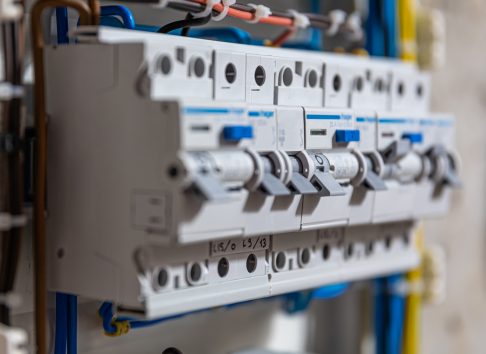
Many people believe that circuit breakers offer complete protection against all electrical issues, but this isn’t accurate. While circuit breakers play an important role in home safety, they are not a catch-all solution.
 How Circuit Breakers Work: Circuit breakers are designed to stop the flow of electricity during overloads or short circuits, preventing fires and other damages. However, they are not capable of detecting all electrical issues, and relying solely on them can give a false sense of security.
If you’re unsure about your electrical setup or need advice on staying safe, TurnKey Electricals is here to help. At TurnKey Electricals, your safety is our priority. We understand the importance of staying proactive when it comes to electrical issues, and we are ready to address any concerns you may have.
Don’t hesitate to contact us for any electrical assistance, whether for troubleshooting, upgrades, or safety evaluations. Knowledge is power, and using it wisely can prevent accidents, protect your property, and ensure peace of mind.
Reach out to TurnKey Electricals today and take the first step toward a safer, more secure environment.


 TurnKey Electricals