Electrify Your Projects with Our Expertise


Electrify Your Projects with Our Expertise

Electrical inspections are essential before buying a home to ensure the safety, functionality, and code compliance of the electrical system in your prospective property. Electrical systems are complex, with unseen disorders posing safety, financial, or legal issues.
At TurnKey Electricals, we offer professional electrical inspections to help you feel confident before buying your home. Contact us today to schedule an inspection and get the peace of mind you deserve.
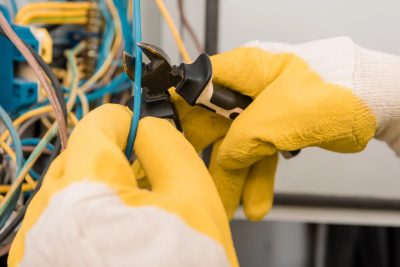
Hazards identified. Inspections reveal obsolete wiring that provides fire hazards, including aluminum or knob-and-tube systems. These can pose problems that may, in fact, be missed by the property owner. An inspector would check for issues, including loose connections, damage, or old wiring that would allow shocks or malfunctions to occur. As well as overloading circuits and improperly grounded circuits, all of these can create dangerous situations.
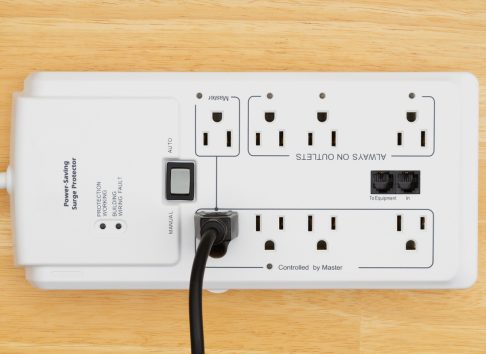
Preventing electrical diseases before they occur protects against big expenditures happening later, such as the replacement of an old electrical panel. Being aware also allows phasing out any inefficiencies and can lower future utility bills. Surge protection is very important; homes without it risk their electronics being fried during a power surge.
The inspection results are a great leverage for negotiating a purchase price downward or having the seller perform repair work. Major electrical problems can be a real bargaining chip, inducing sellers to make some of the more prominent fixes. A base knowledge of the problem with the complete inspection report gives the buyer a fair toolkit for negotiating, allowing them to make clear-headed choices.
Inspections will ensure that electrical installations are compliant with local building codes and the National Electrical Code (NEC). These inspections provide assurances that key components of the systems are correctly installed to minimize hazards and reduce legal liabilities. Fines and insurance complications can easily arise from the code violations.
These inspections are useful for establishing whether the electrical system of the house will meet future demands arising from smart devices and EV chargers. Inspections will also help indicate required upgrade requirements for energy conservation, which can reduce utility costs and underpin any future renovation.
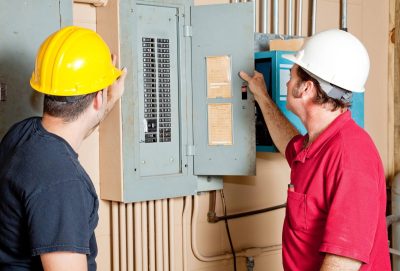
The electrical inspection is needed to ensure the safety, functioning, and code of the system before buying a house. The inspectors tend to evaluate the main components of the electrical infrastructure and identify hazards and any necessary immediate repairs.
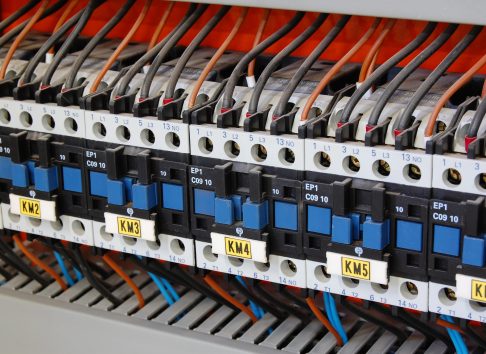
Inspectors then evaluate the electrical panel, the nerve center of the system, to see for signs of wear such as rust or overheating. They check to ensure the panel’s circuit breakers are well-labeled and that the capacity of the electrical panel satisfies not only the present needs but also the expectations for the future, especially for a household with modern appliances. Further cross-check the compliance of the panel with local codes and safety standards, as the use of obsolete panels constitutes danger within itself.
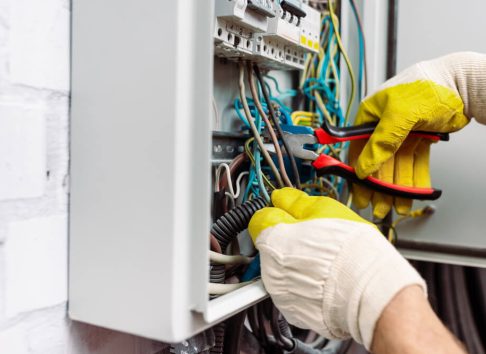
The wiring in the home is examined for damage, age, or poor installation. Inspectors look for exposed or frayed wires, particularly in older homes, as these are fire hazards. They identify outmoded types of wiring, such as aluminum or knob-and-tube, and assess the system’s capacity to handle current electrical demand. Loose or improperly connected wires are noted as common issues that may lead to malfunction.
The functionality and grounding of outlets and switches are to be tested by inspectors. They check for signs of overheating, such as discoloration, which may indicate overloading. In all kitchens, bathrooms, and outdoor areas, they verify the presence and operation of GFCI outlets to meet modern codes.
For safety assurance, a proper grounding system is required. The inspector checks grounding rods and connections for corrosion, which might weaken the system. All outlets are checked to be properly grounded to avoid electric shocks, especially for older homes that lack proper grounding. Any issues about the grounding system should be documented for quick action.
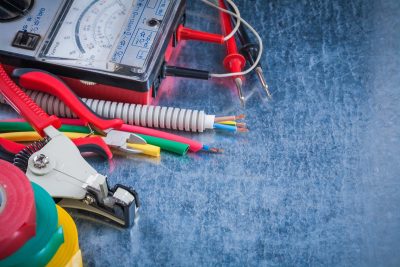
Before buying a house, electrical inspections are vital in determining whether the house’s electrical system is safe and sound. Using advanced tools, technologies, and their expertise, they find hidden problems, offer reliable advice, and avoid hazards. The new equipment improves precision and allows homeowners to have a clear understanding of what they are getting into.
Thermal cameras are an invaluable tool for finding components that have overheated and may be in distress. They are used to visualize heat patterns, which allows inspectors to identify defective hot circuit breakers—an indication of possible failure or fire hazards. Early pinpointing of these thermal fault spots could save one from expensive repairs and fire hazards.
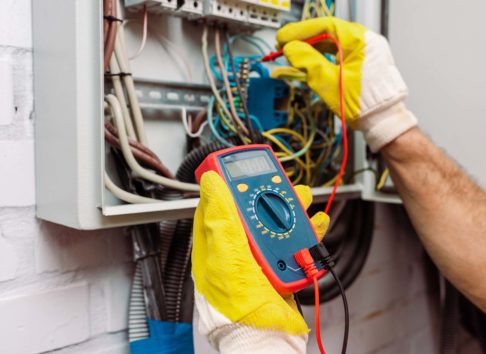
PCircuit analyzers appear to be measuring circuits, performing, plus revealing their inefficiencies. Inspectors will evaluate voltage, current flow, and functions to detect risk of failure, overloads, and wiring faults; this information helps homeowners better decide on repairs or upgrades.
Check live electricity going to outlets and wiring, letting inspectors find poor wiring and dead circuits instantly. It ascertains safe electrical flow, pinpointing hazards such as ungrounded outlets. This tool tries to give some peace of mind to homeowners concerning their electrical systems.
An electrical inspection before the purchase of a house is smart. It shields you from hidden dangers and unexpected repair costs. Inspectors will reveal problems like old wiring and overloaded panels, using state-of-the-art equipment to give you a clear understanding of the electrical health of your prospective new home.
For first-time purchasers or for anyone looking to upgrade, this is an investment worth making. If you’re ready to book an inspection or have any doubts, please reach out to us at TurnKey Electricals!

 TurnKey Electricals