Electrify Your Projects with Our Expertise


Electrify Your Projects with Our Expertise

A variety of signs may indicate an electric circuit is overloaded; tripping breakers, flickering lights, and warm outlets are all indications that its circuit is crippled with more demands than it can handle. Overloaded circuits occur when too many devices continually use the same path. So, check your panel regularly to avoid overloading and know your circuit limits. Thus, keeping these signs attended to will ensure your safety and keep the risk of electrical fire and shock to an absolute minimum. Let TurnKey Electricals assist you in fixing these kinds of issues.

An electric circuit has three main components: a source of power, a path for electricity, and devices that use the electricity. Inside a house, the electrical panel provides the electricity, while the wires are the path for devices such as lights and televisions. Knowledge of the electrical load is important to ensure the safe operation of the circuit. A maximum capacity is established for the circuits, and this is measured in watts. As an example, a 15-amp circuit takes up to 1,800 watts’ load, and a 20-amp circuit runs with 2,400 watts. You should load up to 80% of the maximum rating to avoid overloading; hence, a 15-amp circuit should handle no more than 1,440 watts continuously. A simple calculation reveals that a 100-watt bulb uses less than 1 amp. Circumventing circuits from being overloaded will cause a trip. If this is ignored, it could even lead to a fire; hence, knowledge of the load of circuits is essential for safety.
Overloading a circuit is thus not merely a nuisance; it potentially may become dangerous because hot wires could lead to possible electrical fires. If circuit breakers frequently trip or fuses blow, the system may already be overloaded. Such overloads can negatively affect other electrical tools and appliances. A major factor causing appliances to underperform and have a reduced lifespan, thereby wasting energy, is the state of overloading circuits. It is important to ensure that circuits are not overloaded any further and that signs are taken into account directly, to save you from a worst-case scenario of risk and hazard in your house or commercial property.
An overloaded electrical circuit can cause malfunctions and damage your system or create safety hazards. Spotting warning signs early can help avoid huge damage while ensuring the safety of your house or place of business.
Circuit Breakers: Breakers trip to prevent overheating. If this happens often, it indicates an overload, like using a high-wattage vacuum while other appliances are running.
Lights flicker when high-wattage appliances share a circuit. This voltage drop is a clear sign of overload.
If outlets feel warm, it means too much current is flowing, risking wire insulation breakdown and fire hazards. Redistribute the load immediately.
Unusual sounds near outlets or breaker panels usually signal an overloaded circuit, requiring urgent attention.
A burning odor suggests overheated insulation or wiring, which needs immediate repair to prevent fire risks.
Blown fuses indicate the circuit is overloaded. If you’re drawing more power than it can handle, you must reduce the load or upgrade the circuit.
By recognizing these signs, you can help ensure your electrical system remains safe and functional.
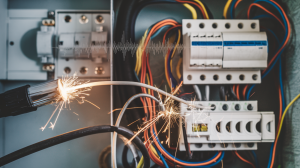
When too many devices or appliances draw more current than the circuit can accommodate, this results in an overloaded circuit. It could cause an overall malfunction of the appliances and could be quite hazardous to life. It might seem like a minor inconvenience with potentially fatal consequences. Being aware of the dangers of overloading a circuit is an important step to ensuring that your electrical system runs smoothly, meets code requirements, and is safe.
An electrical fire is probably one of the most dangerous effects of overloading a circuit. A recent study indeed showed that residential buildings represented 72.2% of the fire deaths, with 46.4% in the dollar loss of fire. When the circuits are overloaded, the wires heat up enough to melt the insulation and ignite flammable materials surrounding them.
Signs like burning smells, warm outlets, or buzzing switches are usually indicators that a circuit is overloaded and in trouble. For example, plugging multiple strands of lights into one outlet can cause a circuit overload, and it’s thus very dangerous.
Periodic inspections and good load management can mitigate the risks of circuit overload.
Overcurrent causes excessive heating of electrical apparatus and can reduce their lifespan or cause rapid failure. Appliances may not work as efficiently, lights may flicker or dim intermittently, and sensitive electronics such as computers may also suffer internal damage.
Using a high-powered vacuum cleaner on an overloaded circuit sharing a common outlet with other powered devices could be very dangerous. It’s here where damage prevention assumes great significance. Keeping circuit loads at 80% or less of their rated capacity does much to prevent this from happening.
Overloaded circuits are usually just trip breakers, leaving people without power at the worst time. This interrupts everyday life and can be an expensive interruption for commercial enterprises.
If an overloaded circuit is left undiagnosed, it can lead to power being delivered inconsistently, resulting in the interruption of service to appliances and other devices. For example, if a space heater is used with several other appliances, you may experience unexpected power loss.
Smart circuit planning reduces these disruptions and provides reliable service.
An overloaded circuit is a common electrical issue that can impact safety and efficiency at home or work. To solve this, we need a strategic approach.
Start by checking the breaker panel for tripped breakers and look for signs of overload, such as buzzing noises or warm spots around the outlets. Clearly labeling circuits during installation helps in identifying them easily. If the kitchen breaker trips often, high-demand appliances like coffee makers or microwaves may be the cause.
Balance the load to prevent overloads. Move appliances to less-used circuits, and consider rewiring or relocating them. For example, shift a space heater to a room with a dedicated circuit or replace incandescent bulbs with energy-saving LEDs. Avoid plugging multiple high-wattage devices into the same outlet and keep circuits loaded to less than 80% of their maximum capacity for safety.
Damaged or outdated components can cause overloads. Check for worn or discolored outlets and replace them with modern materials. If loads exceed circuit capacity, install dedicated circuits for large appliances like refrigerators.
While small adjustments can help, complex issues should be handled by licensed electricians. They can calculate circuit loads accurately and advise on additional wiring or panel upgrades, ensuring compliance with the National Electrical Code and enhancing safety.
Effective circuit management is essential for protecting your home or business. Recognizing warning signs like flickering lights and tripped breakers can prevent major issues. By redistributing devices, upgrading panels, or adding circuits, you can avoid overloads and improve performance. Professional electricians provide the best solutions for inspections, repairs, or upgrades. If you suspect an overloaded circuit or want to optimize your electrical system, contact us at TurnKey Electricals today for safer, smarter setups.


 TurnKey Electricals