Electrify Your Projects with Our Expertise


Electrify Your Projects with Our Expertise

1. Key Takeaways
2. What Common Electrical DIY Mistakes Occur?
3. Why DIY Electrical Mistakes Are Critical
4. Prevent DIY Electrical Project Errors
5. Understanding Electrical Code Requirements
6. When to Call Electrical Professionals
7. Know When to Call in the Pros
Home electrical DIY projects can feel like a tempting way to skip hiring a professional and gain new skills without added cost. However, even well-meaning homeowners often fall into dangerous traps without realizing it. From using the wrong-sized wires to overloading circuits, even small mistakes can lead to serious harm, injuries, or failed inspections.
That’s why awareness of the most common errors in electrical DIY projects is essential for working safely and efficiently. At TurnKey Electricals, we focus on safety, compliance, and peace of mind. If you’re unsure where to start or want expert guidance, get in touch with us today—we’re ready to help.

Most electrical DIY errors happen due to inexperience, rushing, or ignoring safety guidelines. Here are the most frequent and risky issues encountered:
Mixing hot and neutral wires might make a device work, but it causes serious shock risks. Reverse polarity sends electricity the wrong way, making metal parts live and dangerous. Always follow wire colors: black for hot, white for neutral, and green or bare for ground. Use a multimeter to check polarity before finishing connections.
Improper grounding risks dangerous surges to people and appliances. Grounding safely directs stray voltage. Always ground outlets, panels, and metal boxes. Avoid plugging high-power devices like fridges or heaters into ungrounded outlets. Use a circuit tester to check grounding.
Failure to heed local codes or the National Electrical Code (NEC) can result in hazardous installations and fines. Most of the typical electrical DIY project errors result from old methods or ignorance of new rules. Being current with code ensures the safety, legality, and long-term integrity of your electrical system.
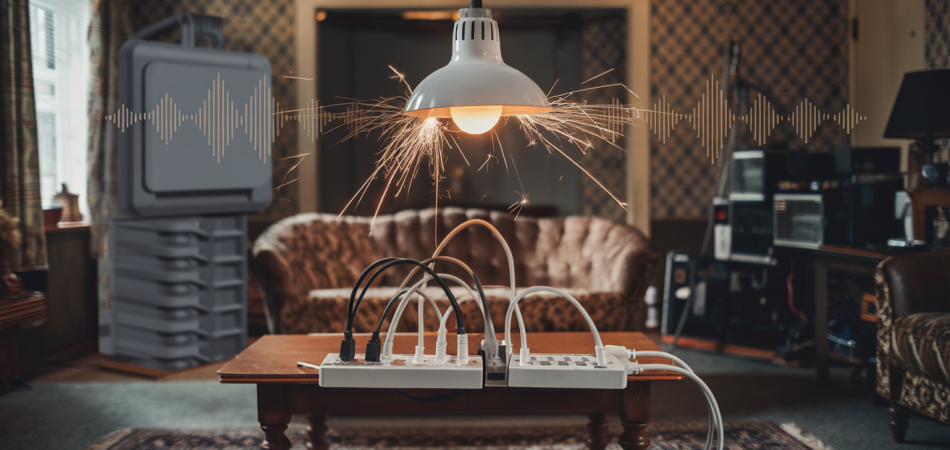
Overloading a circuit is not only annoying—it’s hazardous, too. When the breaker trips, the circuit is overloaded. Big appliances such as ovens and dryers require their own circuits. Always sum up the total wattage and never exceed the circuit’s amp rating.
The thinner wires are not able to support the load of electricity, and thus, they get heated. An example would be a 14-gauge wire, which will only support 15-amp circuits, but a 12-gauge wire is needed for 20-amp circuits. Mis-sized wires are one of the lesser-known but extremely common DIY electrical mistakes that silently generate long-term issues.
Packing too many wires into a small box—or skipping the box—raises the risk of fire. Boxes should fit the number of wires and devices used and be securely mounted. For ceiling fans or heavy fixtures, use boxes rated for their weight.
Mistakes in electrical work carry serious consequences, not just for the person doing the project, but for the safety of everyone in the home.
Crossed wiring poses a danger of increased shocks, burns, and electrocution. Bare wire, reverse polarity, and poor grounding hide health risks, particularly in the kitchen and bathroom areas. Loose wiring and clogged circuits contribute to electrical fires, as the world’s largest cause of home fires.
Electrical fires or shorts can ruin appliances, walls, and wiring—repairs often cost thousands. They also cause power outages and stress. Poor or non-code work can lower a home’s value and make selling harder.
Unauthorized or non-code DIY electrical work may fail inspection or require costly rework. Worse, insurance companies may deny claims if the damage results from non-professional installations. Avoiding these common mistakes in electrical DIY projects can keep homeowners protected financially and legally.
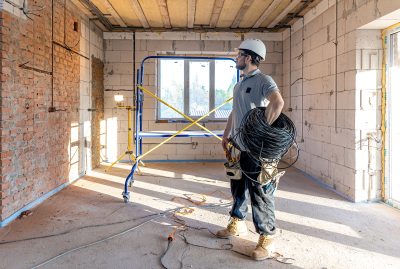
Preventing mistakes is easier than fixing them. Plan, use the right tools, test often, and stick to approved materials for a successful project.
Begin with a clear plan, including load calculations, materials, and circuit diagrams. Avoid guesswork—know the right wires, tools, and protection devices. Check if a permit is needed and follow the NEC and local codes.
A good DIY job starts with the right tools. Use insulated screwdrivers, voltage testers, wire strippers, and a multimeter to stay safe and avoid guesswork. Don’t replace tools—using a knife to strip wires can damage the copper and cause fire hazards.
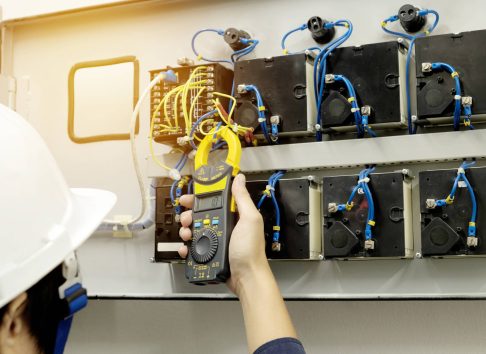
After wiring, always test for continuity, polarity, and grounding. Don’t assume—use a digital multimeter to check voltage, resistance, and current. A basic circuit tester can confirm correct wiring and grounding.
Cheap or knockoff electrical components are a gamble. Always opt for UL-listed products, tamper-resistant outlets, and appropriately rated breakers and wires. Using inferior parts is one of the subtle but dangerous common mistakes in electrical DIY projects.
Follow electrical codes to keep systems safe and up to date. Always check local rules and get permits for major work.
Codes exist to reduce shocks, fires, and system failures. They also enforce consistency, allowing easier repairs and improvements later. Energy-saving designs and safety features, like AFCI and GFCI outlets, are now code-required in most jurisdictions.
Refer to the NEC, or your local version, for all updates. These codes evolve with technology and safety data. For example, recent code revisions have added stricter rules for bathroom outlets and outdoor lighting.
Municipal offices or online code databases often list regional differences. Contact local building departments or work with professionals to confirm your project complies. Some jurisdictions may have more stringent requirements than the national standard.
Projects such as panel replacements, whole-home rewiring, and new circuit additions usually need permits. Permits show your work meets safety standards and help ensure smooth inspections with fewer legal issues.
Even the most confident DIYers should know their limits. Hiring a licensed electrician may cost more upfront, but it prevents expensive and dangerous consequences.
Projects involving panel changes, main service improvements, or homes with outdated wiring are best handled by professionals. Older homes often have systems that don’t meet current safety codes or use outdated materials like aluminum wiring.
Wiring may look simple, but hidden junctions, mixed wires, or mislabeled circuits can cause problems. A basic switch replacement can become risky if the system is old or not marked.
Improving a panel, rewiring, or adding a sub-panel requires load calculations, proper grounding, and correct breaker setup. Mistakes can be dangerous. A licensed electrician makes sure the work is safe and meets inspection standards.
Even the most confident DIYer needs to know their limits, especially with electrical work. Mistakes can be costly, dangerous, and tough to fix later. When the job gets bigger or more complex, it’s worth bringing in experts who know the ins and outs of safe, code-compliant installations.
Let us help you get it done right the first time. At TurnKey Electricals, we’re here to make sure your project is safe, smooth, and built to last—reach out to us today, and let’s get started.

 TurnKey Electricals