
Electrify Your Projects with Our Expertise


Electrify Your Projects with Our Expertise

Motion sensor lighting offers enhanced security, energy efficiency, and convenience by automatically illuminating areas only when needed, reducing electricity costs and deterring intruders. However, they can suffer from false triggers caused by wind or animals, limited detection ranges, and potential maintenance issues due to frequent switching.
Motion sensor lighting has become one of the most popular upgrades for homeowners across New Orleans. Lights activate when someone enters a space and shut off automatically when the area is empty. It sounds simple, and it largely is.
But like any electrical upgrade, motion sensor lighting has real advantages and a few limitations worth understanding before you commit. TurnKey Electricals is a licensed and insured electrician serving New Orleans and surrounding areas.
If you’re ready to explore motion sensor lighting, contact us today for a free estimate.
Motion sensor lighting delivers four core benefits: energy savings, improved security, hands-free convenience, and longer bulb life. All four flow from one simple fact: the light only runs when motion is detected, so it is never burning energy in an empty room.
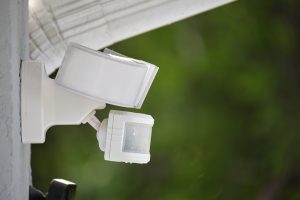 Because motion sensor lights only activate when needed, they use far less electricity than lights left running for extended periods. Research compiled by the U.S. Department of Energy shows that occupancy-based lighting controls can reduce lighting energy use by 30% to 50% in transitional and intermittently occupied spaces such as corridors, storage areas, and warehouses.
In continuously occupied rooms with steady traffic, savings tend to be lower, but the reduction is meaningful in any setting where lights are regularly left on in empty spaces.
Motion sensor lights remove the cover of darkness that intruders rely on. When a light suddenly activates along a back entrance or dark yard, it draws attention and signals that the property is being monitored. Paired with outdoor cameras, motion-activated lighting forms the first visible layer of home


 TurnKey Electricals