
Electrify Your Projects with Our Expertise


Electrify Your Projects with Our Expertise

Problem-solving outlet problems can be linked to loose connections, broken circuits, or damaged components. Outlets may become worn, resulting in issues such as non-functioning outlets, humming, or overheating, which can disrupt your daily routine and raise safety concerns. This guide will help you identify and address common outlet issues.
TurnKey Electricals offers expert electrical services tailored to your needs. Don’t let small electrical problems turn into bigger ones. Call us today for a free consultation. Our professionals will handle your electrical work safely and efficiently. Your satisfaction matters to us, so reach out now to get started!
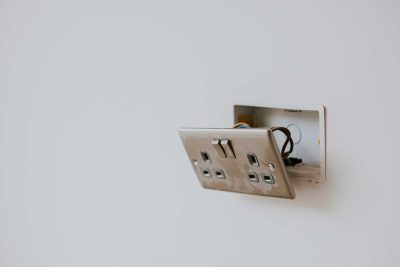
When an outlet isn’t working, start by testing the device in another outlet to rule out equipment issues. Check nearby switches, as some outlets are controlled by them, and inspect for damage. If other outlets work but one doesn’t, the problem may be with the outlet or circuit, requiring breaker inspection.
First, insert the unit in a working socket to verify that there is no problem. When a lamp does not turn on in one outlet and is working in another outlet, then the former may be defective. Be sure to test it on something different, such as a phone charger.
Then inspect the cord and plug of the device such as fraying or bent fraying, which may interrupt power. Moreover, be sure to switch the device on because an off switch may be difficult to understand.
Other outlets can be operated by adjacent wall switches. Attempt to switch the switches off and back on again, and this could correct loose connections. Test the switch with regard to damage, loose screw, or burnt marks. When the outlet is hard-wired to a dimmer switch, make sure that it works; dimmers can reduce power.
See if another outlet in the room works. The initial outlet can be malfunctioning in case it works. Look in nearby outlets; maybe there is a bigger electrical problem, such as a tripped breaker or faulty wiring. In case more than one outlet is not going on, check the breaker panel and reset any broken breakers. Check other outlets in the house also. When one person works and the other one does nothing, there can be a problem with a certain c


 TurnKey Electricals