Electrify Your Projects with Our Expertise


Electrify Your Projects with Our Expertise

To determine if you have aluminum wiring, inspect your electrical panel or any visible wiring for markings like “AL” or “Aluminum”. Aluminum cables, often seen in homes built in the 1960s and 1970s, are pliable and can pose a risk to safety if they get too hot or have unsecured links.
Understanding this circuitry is crucial for keeping your house’s power system secure and effective. Let our team from TurnKey Electricals share with you details of its impact and our suggested solutions to these worries.
If you suspect your home may have aluminum wiring, don’t wait—give us a call today for a quick inspection. We’ll help keep your home safe and your mind at ease.
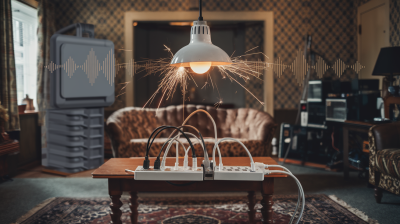
Aluminum cables became common in the 1960s and 70s because of a lack of copper and increasing copper costs, yet they were found to be dangerous. By the end of the 1970s, it was not used in houses anymore due to its higher fire danger, 55 times more than copper.
Aluminum changes size with heat, causing screws at outlets and switches to come loose, which may cause overheating. Also, aluminum rusts, forming non-conductive aluminum oxide that can cause sparks to start fires. Worn or broken links can create intense warmth and sparks, particularly in older houses with old-fashioned electrical systems.
Aluminum conducts less electricity than copper, so bigger wires are needed for the same amount of current. Even bigger cables can’t completely make up for this, causing power cuts that can harm today’s devices. Aluminum cables can’t handle today’s power needs, so expensive updates are needed.
Aluminum wiring influences the selling price, insurance costs, and attractiveness to potential buyers, frequently leading to increased expenses or insurance refusal. Home sellers might have to improve to copper or apply sanctioned retrofitting techniques to draw buyers, since old wiring can scare away potential buyers.
Aluminum cables were often installed in houses constructed from 1965 to 1973 to save money compared to copper. Despite its reduced popularity because of fire dangers, numerous houses still have aluminum wiring, which necessitates the detection of possible dangers such as excessive heat and electrical fires.
To check, look for “ALUMINUM” or “AL” on wire insulation. Inspect outlets, switches, and panels for discoloration or signs of heat. Warning signs like flickering lights, humming sounds, or smoky odors may point to wiring issues. You can also look at bare wires for their distinct silver color. For older homes, it’s always smart to have a professional inspection done.
Aluminum wires are silver, unlike copper’s red-brown color. As time passes, aluminum turns gray and gets a dull white layer, which makes it hard to recognize. Aluminum cables are usually wider than copper ones, because they need a bigger size to manage the same amount of electricity. Always switch off the electricity before examining exposed wires in attics, basements, or panel boxes.
Aluminum cables are typically labeled with “AL” or “ALUM” on the covering, but these signs can wear off in houses built in the 60s and 70s. It’s wise to examine multiple cables, as certain spots might be more intact. Homes with CO/ALR-marked fittings probably have aluminum wiring, since these connectors were made for joining aluminum to copper.
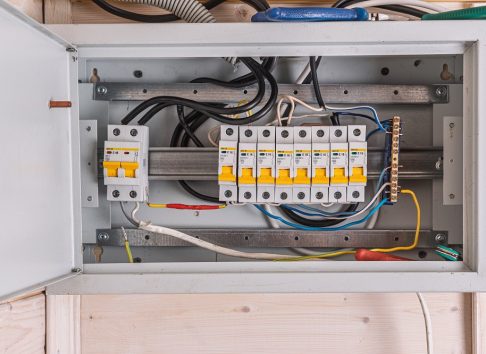
The power control unit is another crucial spot to inspect. Search for aluminum wiring marks either inside or on connections that are silver-toned at electrical switches. Indications of overheating, like color changes and burn spots, should cause concern. Always be careful and don’t touch live parts; certified electricians can safely spot aluminum wiring in panels.
Outlets and switches may show signs of aluminum wiring problems. Warm or tinted covers, sparks, or scorched plastic smells are indicators. Flashing lights or humming sounds usually mean loose wiring, which happens more with aluminum wires. – Uncovering electrical outlets lets you check wires directly—search for shiny silver or “AL” labels.
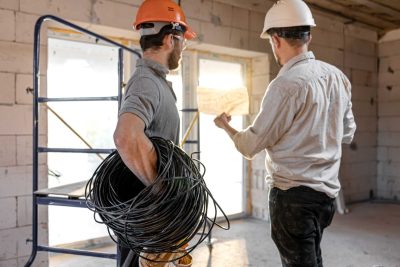
Expert examination and evaluation are essential for spotting dangers, like fire risks from aluminum wiring, and offering practical remedies.
Accurate testing merges unique devices and methods. We employ infrared thermometers to identify overheated areas in outlets and joints, often seen with aluminum wiring. Testers for resistance check for bad links that could cause overheating or sparking.
Visual checks are crucial, as examiners search for marks like ‘AL’, ‘ALUM’, or ‘ALUMINUM’ on wire sleeves and evaluate for harm like discoloration or rust. Expert devices improve test precision, lowering the chance of missing details that might happen with non-professional gear.
Seeking skilled electricians is crucial for tackling aluminum wiring problems. Professionally trained individuals can spot dangers and suggest fixes, like swapping out aluminum wiring for copper or opting for safer joining methods.
We suggest getting quotes to figure out the most suitable plan for fixing or swapping things. Skilled power workers make sure they follow safety rules, reduce risks and responsibility, and confirm that all changes are secure and dependable.
Fixing aluminum wiring to follow present building standards. Certified electricians comply with these rules, preventing legal and insurance problems. Important wiring tasks need official approvals and checks to meet area and country rules. Ignoring rules may lead to penalties or increased danger from fire, stressing the importance of professional checks.
Recognizing if you possess aluminum wiring and its possible hazards is essential. Problems such as excessive heat and unstable links may worsen gradually.
If you think you might have aluminum wiring, we advise getting a professional check. Our certified electricians can evaluate your needs, talk about choices, and offer secure fixes, ranging from updating to a full rewire.
Your safety and peace of mind are our top priorities. Reach out to us at TurnKey Electricals now for additional details or to arrange an examination. Stay informed and avoid ignorance!

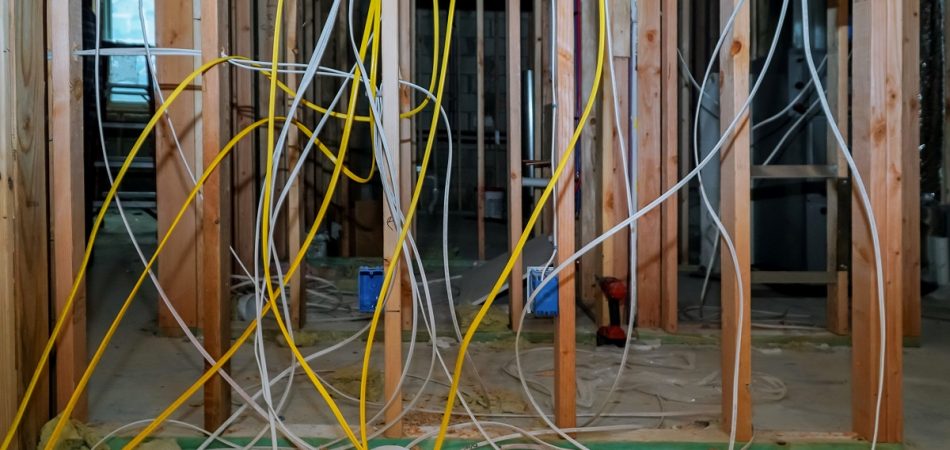
 TurnKey Electricals