Electrify Your Projects with Our Expertise


Electrify Your Projects with Our Expertise

1. Key Takeaways
2. What Is a Circuit Breaker?
3. Types of Circuit Breakers
4. Choosing the Right Circuit Breaker
5. Core Components and Mechanisms
6. Installation and Maintenance Best Practices
7. Troubleshooting Common Issues
8. Safety Standards and Certifications
9. Making Sense of Circuit Breakers: Why They Matter for Your Home or Business
Circuit breakers are essential components of every safe and functional electrical system. When a fault develops, they automatically turn off the electricity, preventing overheating, fire dangers, and equipment damage. These devices are critical for protecting homes, businesses, and industrial facilities.
Turnkey Electricals presents The Ultimate Guide to Circuit Breakers, which simplifies how they function, why they matter, and how to select, install, and maintain them for dependable protection. If you’re ready to make your electrical system safer and more reliable, let’s explore your options together. Get in touch with us to start protecting your home or business today.

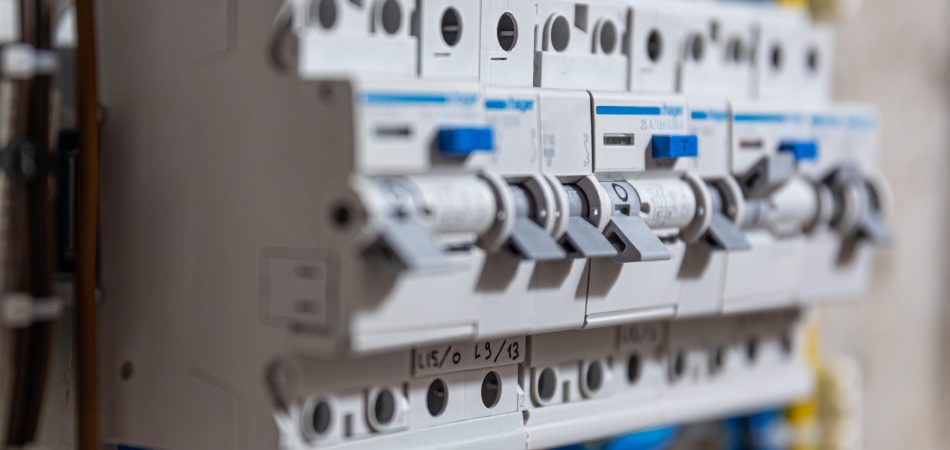
A circuit breaker is a safety device that cuts power when something goes wrong. Before things become worse, it is intended to identify dangerous situations like short circuits and overcurrents and then “trip” to cut off electricity.
When electrical current reaches unsafe thresholds, an automatic safety mechanism called a circuit breaker cuts it off. It shields equipment, people, and property against malfunctions, short circuits, and overloads. Breakers are more convenient and affordable than fuses, which need to be changed after a journey.
Each circuit breaker has parts that work together to protect your system. The trip unit detects unsafe currents and triggers a

 TurnKey Electricals