Electrify Your Projects with Our Expertise


Electrify Your Projects with Our Expertise

1. Key Takeaways
2. Why Homeowners Need Electrical Tools
3. Safety First: Essential Precautions
4. 10 Must-Have Electrical Tools for Homeowners
5. How to Choose the Right Tools
6. Maintaining Your Electrical Tools
7. Maintenance Tips for Longevity
8. Essential Electrical Tools Every Homeowner Should Have
Having the proper electrical tools simplifies simple home repairs and makes them safer. Whether repairing a flickering light or a malfunctioning outlet, the proper tools avoid letting minor problems become major ones. A fully equipped toolkit provides homeowners with the confidence to tackle simple repairs, remain safe, and save money.
With help from TurnKey Electricals, here’s a practical guide to the 10 electrical tools every homeowner should have to tackle everyday tasks efficiently. If you’re unsure where to start, give us a call—we’ll guide you in choosing the right tools. And if a repair feels too risky, our licensed electricians are always ready to step in and help.

A quality electrical kit is a smart purchase, putting homeowners in control of minor repairs such as changing outlets or switches. With an elementary knowledge of circuits and precautions, minor do-it-yourself projects become a safe, confidence-building means to tackle more down the line, without necessarily hiring a professional.
A few essential tools, like a voltage tester and wire strippers, make routine electrical fixes easier and safer. For instance, a tester can check if power is reaching a faulty switch while strippers prep wires for a clean connection. Each of the 10 must-have tools helps simplify and speed up the job.
Minor electrical tasks can normally be done directly in the home. With good equipment, activities such as replacing dimmer switches or rewiring a light fixture can be done with ease, without incurring the cost of an electrician. Equipment such as multimeters aids in the quick detection of faults, and good equipment saves you money in the long run, not to mention the inconvenience.
Electrical problems can be hazards if not attended to. Correct tools, like insulated screwdrivers and multimeters, help ensure safe repairs and inspections, eliminating issues like shorts or fires. Maintenance can eliminate problems before they become major ones.
Electric work is dangerous, so safety first—never forget to shut off the power at the breaker, inspect tools, and verify connections. Using the right tools carefully helps keep repairs safe and effective.
Insulated tools, like pliers and screwdrivers, help prevent shocks when working near live circuits. Made with rubber or plastic coatings, they’re tested for high voltage. Always check their voltage rating to ensure safety.
For small jobs, protective clothing still matters. Glass, gloves, and rubber-soled shoes also protect against sparks and live wires, especially in water places, such as the kitchen.
Loose outlets, overloaded circuits, and old wiring are typical hazards. AFCI breakers, surge protectors, and outlet testers minimize dangers, while regular safety checks keep long-term problems at bay.

Hazards like loose outlets, overloaded circuits, and old wiring are the usual suspects. AFCI breakers, surge protectors, and outlet testers reduce the risk, and routine checks protect against long-term hazards.
This product identifies live wires without contact. It’s tiny, inexpensive, and essential for testing outlets, switches, or wires for safety before starting work. Particularly handy in kitchens and homes with older wiring.
Wire strippers enable easy removal of insulation without hurting the wire within. They’re a must-have for any wire replacement or installation job. Many have adjustable settings for different wire sizes.
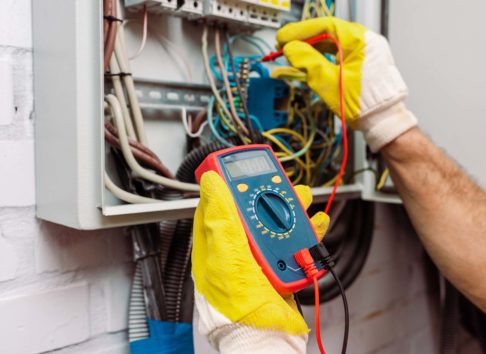
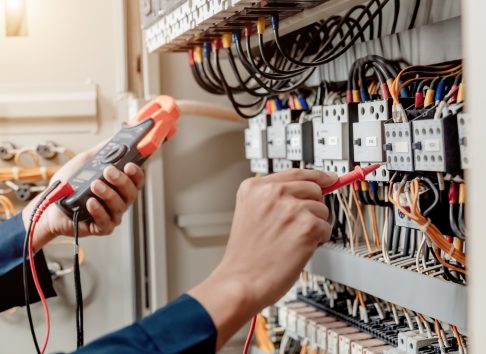
A multimeter measures current, voltage, and resistance. It will determine faults like dead outlets, tripped breakers, or faulty switches. A digital multimeter gives correct readings and is beneficial to both a professional and a novice.
These heavy-duty pliers are ideal for twisting, cutting, and holding wires. They are useful when working on installation projects and to make secure wire connections.
Phillips and flathead screwdrivers are essential for taking things apart or attaching outlet covers, switches, and fixtures. Magnetic tips and electric screwdriver choices make things even simpler.
Used to insulate exposed wires and secure connections, electrical tape is a small but mighty tool. It also helps identify different wires in more complex setups thanks to its color options.
Fish tape guides wires through walls and conduits. It’s flexible and reusable—ideal for adding outlets or fixtures in hard-to-reach spaces.
These compact, angled pliers are excellent for clean cuts in tight spots. Whether trimming wires or clipping ties, they keep projects neat and safe.
Keeping installations straight supports both safety and proper function. A torpedo level helps align outlets, switch plates, or wall-mounted fixtures with ease.
Good lighting is essential in dark areas like attics or behind appliances. A headlamp frees up hands for safer, more precise work.
Choose tools according to your requirements, budget, and regional circumstances. In New Orleans, select humidity-resistant tools. Flexible tools such as adjustable wrenches and multi-bit screwdrivers suffice for most uses.
Mid-range tools offer excellent value to occasional DIYers. Begin with the essentials—pliers, wire cutters, and a level—and add over time.
Search for long-lasting materials such as stainless steel, ergonomic designs, and safety features. Read reviews and warranties to guarantee quality and reliability.
Frequent maintenance helps tools be more durable and function safely. Clean tools regularly, keep them in storage, and use silica packets in humid locations to prevent rust. Inspect for wear, repair small issues, and sharpen blades or replace parts when needed to keep tools in tip-top shape.
Proper maintenance makes electric tools functional and safe. Clean them frequently, keep them in a dry location, and add silica packs where it is damp. Inspect for wear and tear, and fix tiny issues before they become larger problems. Maintain sharp blades and replace worn-out parts to make them last longer.
Equipping yourself with basic electrical tools can give you the confidence to handle minor fixes around the house. It also helps you avoid unnecessary delays when small issues pop up.
At TurnKey Electricals, we believe having the right tools in your toolkit makes home maintenance safer and simpler. Let us help you stay prepared for any small electrical task. Reach out to us if you need guidance on choosing the best tools or assistance with your next project!


 TurnKey Electricals